
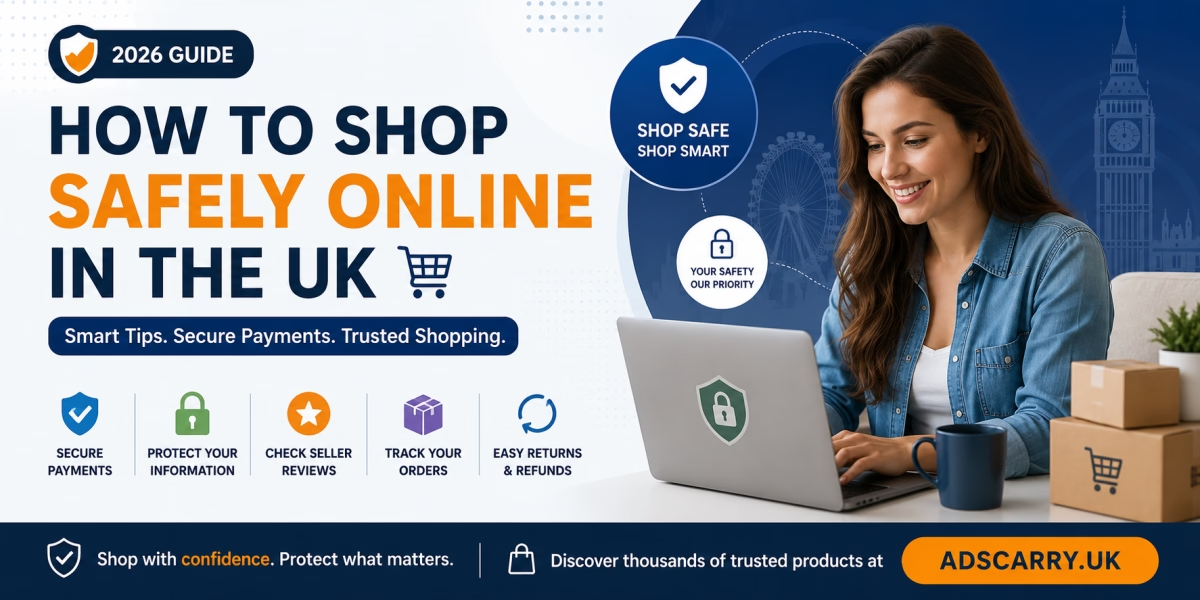

Online shopping has become an essential part of everyday life in the United Kingdom. From weekly groceries and household essentials to the latest smartphones, fashion, and home décor, millions of people now prefer shopping online for its convenience, competitive pricing, and wider product selection.
However, the growth of e-commerce has also led to an increase in online scams, counterfeit products, fake websites, phishing attacks, and payment fraud. Cybercriminals continue to develop more sophisticated tactics to trick shoppers into revealing personal information or making purchases from fraudulent sellers.
The good news is that shopping online can be very safe when you follow a few simple best practices. By choosing trusted marketplaces, checking seller reviews, using secure payment methods, and understanding your consumer rights, you can enjoy a safer and more rewarding shopping experience.
Whether you're purchasing everyday essentials, upgrading your technology, or preparing for seasonal sales like Black Friday and Christmas, this guide will help you shop confidently and avoid common online shopping mistakes.
Why Online Shopping Safety Matters
The UK is one of Europe's largest online retail markets, with consumers spending billions of pounds every year across thousands of online stores and marketplaces.
While most transactions are completed successfully, online shopping fraud remains a growing concern. Fake retailers, phishing emails, counterfeit products, and fraudulent payment requests are becoming increasingly convincing.
Shopping safely doesn't require advanced technical knowledge. A few minutes spent checking a website or seller before making a purchase can significantly reduce the risk of fraud.
Safe online shopping helps you:
Protect your personal information.
Reduce the risk of payment fraud.
Avoid counterfeit or poor-quality products.
Save money by choosing reputable sellers.
Enjoy reliable customer service and buyer protection.
Common Online Shopping Risks
Understanding the most common online shopping threats makes them much easier to recognise.
Fake Online Stores
Some scammers create websites that closely resemble genuine retailers. They copy logos, product images, and branding to appear legitimate while collecting payments for products that never arrive.
Common warning signs include:
Prices that seem too good to be true.
No contact details.
Missing return policies.
Poor grammar or spelling.
No customer reviews.
Limited payment options.
If something feels suspicious, it's usually worth investigating before purchasing.
Counterfeit Products
Counterfeit goods are increasingly difficult to identify online.
Commonly affected products include:
Mobile phones
Designer clothing
Trainers
Watches
Cosmetics
Electronics
Sports equipment
Buying counterfeit items often results in poor quality, shorter product life, and potential safety risks.
Purchasing from trusted sellers greatly reduces this risk.
Phishing Emails
Fraudsters frequently send emails pretending to be from:
Retailers
Banks
Delivery companies
Payment providers
These emails often claim:
Your parcel couldn't be delivered.
Your account has been suspended.
Payment has failed.
Immediate action is required.
Rather than clicking the provided link, visit the retailer's website directly through your browser.
Delivery Scams
Fake text messages claiming additional delivery charges have become increasingly common.
Never pay unexpected delivery fees without first checking your original order confirmation or contacting the retailer directly.
Shop with Trusted Online Marketplaces
One of the easiest ways to reduce your risk is by choosing reputable online marketplaces that prioritise customer security.
Reliable marketplaces typically provide:
Secure checkout
Buyer protection
Verified sellers
Customer reviews
Transparent return policies
These features help create a safer shopping environment while giving buyers greater confidence when purchasing from third-party sellers.
How to Identify a Secure Website
Before entering any payment information, take a few moments to inspect the website.
Check for HTTPS
Every secure shopping website should begin with:
https://
The padlock icon displayed in your browser indicates that your connection is encrypted.
Although HTTPS doesn't guarantee that a retailer is trustworthy, it does help protect the information exchanged during checkout.
If your browser displays warnings such as "Not Secure" or "Your connection is not private," avoid entering personal information.
Review Website Information
Legitimate retailers usually provide detailed information about their business.
Look for:
Delivery information
Customer support details
A professional website with transparent policies is generally a positive sign.
Check Seller Ratings Before Buying
When shopping through an online marketplace, remember that individual sellers may differ in quality and service.
Before purchasing:
Review the seller's overall rating.
Read recent customer reviews.
Check delivery performance.
Review return policies.
Look at customer-uploaded product photos.
Photo reviews often provide the clearest indication of what you can expect to receive.
Compare Prices Carefully
Finding a bargain is always satisfying, but unusually low prices deserve extra attention.
For example, if most retailers are selling a laptop for £700 while one website advertises the same model for £250, it's worth asking why.
Possible explanations include:
Counterfeit products
Refurbished devices sold as new
Fake listings
Fraudulent websites
Comparing prices across several reputable retailers helps you recognise genuine deals.
Choose Secure Payment Methods
The payment method you choose can affect the protection available if something goes wrong.
The safest options generally include:
Credit cards
Debit cards issued by trusted banks
Secure digital wallets
Trusted payment gateways
Avoid paying unfamiliar sellers through:
Direct bank transfers
Cryptocurrency
Gift cards
Money transfer services
These methods usually offer little or no buyer protection.
Protect Your Shopping Accounts
Your online shopping account often stores valuable information including payment methods and delivery addresses.
Protect your account by:
Using strong, unique passwords.
Enabling Two-Factor Authentication (2FA).
Updating passwords regularly.
Avoiding password reuse across multiple websites.
A password manager can help generate secure passwords and store them safely.
Shop Safely on Mobile Devices
More people now shop using smartphones than desktop computers.
To improve mobile security:
Download shopping apps only from official app stores.
Install updates promptly.
Enable fingerprint or facial recognition.
Avoid making purchases on public Wi-Fi.
Keep your device protected with the latest security updates.
If you need to shop while travelling, using your mobile network is generally safer than connecting to an unsecured public hotspot.
Popular Categories to Explore on Adscarry UK
Looking for trusted products? Explore popular categories including:
Electronics
Mobile Phones
Computers & Laptops
Fashion
Home & Kitchen
Beauty & Personal Care
Health & Household
Baby Products
Sports & Outdoors
Books
Pet Supplies
Office Supplies
These categories make it easier to compare products from multiple sellers while finding competitive prices.
Understand Your Consumer Rights
Shopping with confidence also means understanding your rights as a UK consumer. Reputable online retailers and marketplaces should provide clear information about their products, delivery, returns, and customer support before you complete your purchase.
Before placing an order, take a few minutes to review:
Returns and Refund Policy
Delivery Information
Terms & Conditions
Privacy Policy
Customer Support Options
Transparent policies indicate that a retailer values customer trust and is prepared to resolve issues fairly if something goes wrong.
Know What Buyer Protection Offers
Many trusted online marketplaces provide buyer protection to help customers if an order does not go as planned. While policies vary between platforms, buyer protection typically covers situations such as:
An item not arriving within the expected delivery period.
Receiving a product that is significantly different from its description.
Damaged goods received during delivery.
Incorrect items sent by the seller.
Unresponsive sellers after payment.
Before making a purchase, check whether the marketplace explains its dispute resolution process and how buyers can request assistance if needed.
Read the Return Policy Before You Buy
Returns are a normal part of online shopping, but not every seller follows the same process. Reading the return policy before purchasing can help you avoid surprises later.
Look for information about:
Return time limits.
Product condition requirements.
Exchange availability.
Refund processing times.
Return shipping responsibilities.
For electronics, appliances, and other high-value products, it's also worth checking warranty information and any available repair or replacement services.
Delivery Safety Tips
Most online orders arrive without any issues, but following a few simple precautions can make the delivery process even safer.
Double-Check Your Delivery Details
Before confirming your order, ensure your:
House number
Street name
Postcode
Contact number
Delivery instructions
are all accurate.
Even small errors can lead to delayed or failed deliveries.
Track Your Parcel
Choose delivery services that provide tracking whenever possible.
Tracking allows you to:
Monitor your parcel's progress.
Receive delivery updates.
Identify unexpected delays.
Contact the seller quickly if a problem occurs.
If you receive an unexpected text or email asking for additional delivery fees, verify the request through the retailer or courier's official website before making any payment.
Seasonal Shopping Tips
Certain times of the year offer excellent savings, but they also attract more online scams. Staying alert during major shopping events can help you enjoy genuine bargains while avoiding fraudulent offers.
Black Friday
Black Friday is one of the busiest online shopping periods in the UK.
To shop safely:
Create a shopping list before sales begin.
Compare prices with other retailers.
Avoid impulse purchases.
Be cautious of countdown timers and unrealistic discounts.
Read customer reviews before buying.
Christmas Shopping
The festive season is another popular time for online shopping.
Order gifts early to reduce the risk of delivery delays, and always keep copies of your order confirmations and receipts.
Be particularly cautious of fake delivery notifications and phishing emails during this busy period.
Boxing Day Sales
Boxing Day is ideal for finding discounts on electronics, fashion, home appliances, and furniture.
Before purchasing:
Compare prices with pre-Christmas offers.
Review warranty information.
Confirm return deadlines for sale items.
Summer and Back-to-School Shopping
Shopping early during summer promotions often provides the best selection of products and sizes.
Families preparing for the new school year should consider purchasing essentials such as:
School bags
Stationery
Laptops
Lunch boxes
Water bottles
Uniform accessories
Buying before peak demand helps avoid stock shortages and last-minute price increases.
Recommended Products for Safer Online Shopping
Investing in a few security-focused products can improve your online shopping experience and help protect your personal information.
Product | Benefit |
|---|---|
Password Manager | Creates and securely stores strong passwords. |
USB Security Key | Adds an extra layer of account protection through two-factor authentication. |
Antivirus Software | Detects malware, phishing attempts, and harmful downloads. |
VPN Service | Encrypts your internet connection when using public networks. |
RFID Blocking Wallet | Helps protect contactless payment cards from unauthorized scanning. |
Webcam Cover | Improves privacy when using laptops and desktop computers. |
These products are particularly useful for shoppers who frequently make online purchases or manage multiple shopping accounts.
Common Online Shopping Mistakes to Avoid
Even experienced shoppers occasionally make mistakes that increase the risk of fraud.
Avoid these common errors:
Buying solely because of a low price.
Ignoring seller ratings.
Skipping customer reviews.
Using weak or repeated passwords.
Shopping on unsecured public Wi-Fi.
Clicking links in suspicious emails.
Saving payment details on shared devices.
Ignoring return policies.
Failing to compare prices.
Rushing purchases during flash sales.
Taking a few extra minutes to verify information before purchasing can save both time and money.
Why Shop on Adscarry UK?
Adscarry UK is designed to provide a secure and convenient shopping experience by bringing together trusted sellers across a wide range of categories.
Whether you're searching for everyday essentials or the latest technology, you can explore products in categories including:
Computers & Laptops
Home & Kitchen
Health & Household
Beauty & Personal Care
Baby Products
Sports & Outdoors
Books
Office Supplies
Automotive
Pet Supplies
Garden & Outdoor
Toys & Games
Comparing products, reading seller reviews, and checking product specifications can help you make informed purchasing decisions while finding competitive prices.
Frequently Asked Questions
Is it safe to shop online in the UK?
Yes. Shopping online is generally safe when you buy from trusted retailers or marketplaces, verify seller ratings, use secure payment methods, and avoid suspicious websites.
What is the safest payment method?
Credit cards and trusted digital wallets are among the safest options because they often provide fraud monitoring and purchase protection.
How do I know if a website is secure?
Check that the website uses HTTPS, displays a padlock icon in your browser, and provides clear contact information and customer policies.
How can I avoid fake online stores?
Compare prices, read customer reviews, verify seller information, and avoid offers that appear significantly cheaper than those from other retailers.
Should I shop using public Wi-Fi?
It's generally safer to avoid entering payment information while connected to public Wi-Fi. Use your mobile data or a trusted VPN if necessary.
What should I do if I suspect an online shopping scam?
Contact your payment provider immediately, change any affected passwords, keep copies of your order information, and report the issue to the retailer or marketplace.
Final Online Shopping Safety Checklist
Before placing your order, ask yourself:
✔ Is the website secure (HTTPS)?
✔ Have I checked the seller's reviews?
✔ Is the price realistic?
✔ Did I read the product description carefully?
✔ Does the retailer have a clear return policy?
✔ Am I using a secure payment method?
✔ Is my delivery information correct?
✔ Have I avoided clicking suspicious links?
✔ Is my device updated?
✔ Am I shopping on a trusted network?
If you can answer "Yes" to each of these questions, you're already taking important steps toward a safer online shopping experience.
Conclusion
Online shopping continues to make life easier for millions of people across the UK, offering greater convenience, wider product choices, and competitive prices. While online fraud and scams remain a concern, most risks can be minimized by following sensible shopping practices.
Choosing trusted marketplaces, verifying sellers, using secure payment methods, protecting your personal information, and understanding your consumer rights will help you shop with greater confidence throughout the year.
Whether you're shopping for everyday essentials, upgrading your home, buying gifts for loved ones, or searching for the latest technology, taking a few extra moments to research before you buy can make all the difference.
At Adscarry UK, we're committed to helping shoppers discover quality products from trusted sellers across a wide range of categories. Compare products, read reviews, and shop confidently knowing you have the information needed to make smarter purchasing decisions.

Leave a Comment
Your comment will be posted after review.